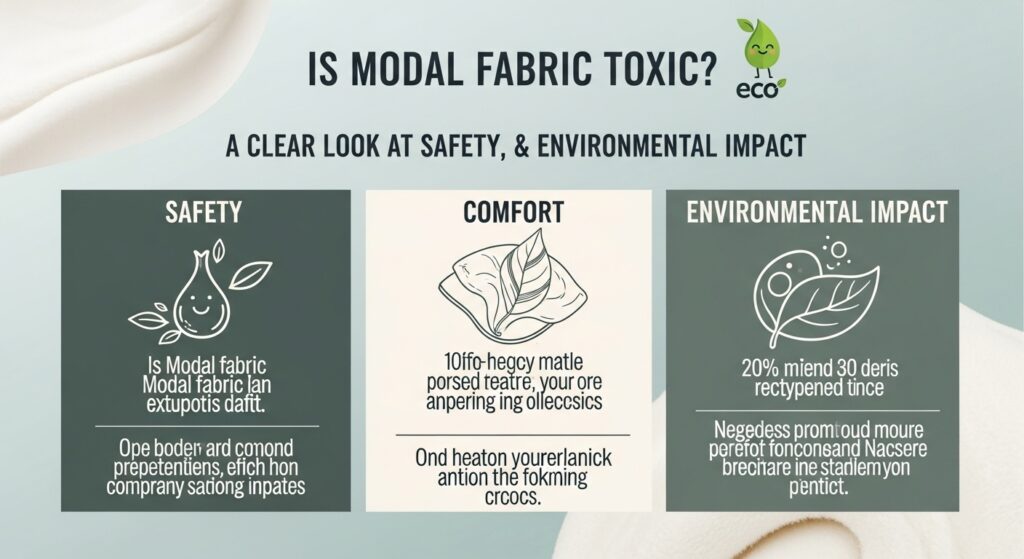
Modal fabric has become a popular choice for clothing and home textiles due to its soft feel and smooth drape. As consumers become more conscious about what they wear and how it affects their health, a common question arises: is modal fabric toxic? The answer is not a simple yes or no, because the safety of modal fabric depends on several factors including production methods, chemical handling, and finishing processes. Modal is derived from natural cellulose, typically from beech trees, and is processed into fibers using chemicals. While this may raise concerns, many manufacturers follow strict regulations to ensure safety. Understanding the complete lifecycle of modal fabric helps consumers make informed decisions about its comfort, durability, and potential risks.
Understanding What Modal Fabric Is Made From
Modal fabric is a type of semi-synthetic textile made from cellulose fibers, often sourced from beech trees. The raw material is natural, which makes modal distinct from purely synthetic fabrics like polyester. However, the manufacturing process involves converting cellulose into a fiber through chemical treatment and spinning. This process allows modal to retain a soft, smooth texture and strong durability compared to many natural fabrics. Because modal is plant-based, it is often considered more environmentally friendly than oil-based fibers. Yet, the presence of chemicals in production is why some people question whether modal fabric is toxic. The key factor is how the chemicals are managed and whether the final fabric contains harmful residues. Properly processed modal typically meets safety standards, making it a comfortable option for everyday wear.
Production Process and Its Influence on Safety
The safety of modal fabric is closely tied to its production process. The manufacturing involves dissolving cellulose in chemical solutions, followed by extrusion into fibers and drying. If the process is well controlled, chemical residues are minimized, and the resulting fabric is considered safe for use. Many reputable manufacturers use closed-loop systems, which recycle and reduce chemical waste, leading to lower environmental impact and improved safety. In contrast, poor manufacturing practices can lead to higher chemical residues in the fabric, increasing concerns about toxicity. Consumers should be aware that not all modal products are produced under the same standards. Certifications and transparent manufacturing practices can provide assurance that the fabric is made safely. Overall, modal fabric is generally not toxic when produced responsibly, but awareness of production quality remains important.
Modal Fabric and Skin Sensitivity Concerns
For many people, comfort and skin health are major considerations when choosing clothing. Modal fabric is known for its softness and breathability, which often makes it suitable for sensitive skin. Its smooth texture reduces friction and irritation, especially compared to rougher materials. However, skin reactions can still occur if the fabric contains chemical residues or is treated with dyes and finishes that are not skin-friendly. Individuals with allergies or very sensitive skin may prefer modal fabrics that are certified or labeled as hypoallergenic. Washing new garments before wearing them can also reduce the risk of irritation by removing any remaining processing chemicals. In general, modal fabric is considered a gentle and comfortable option, but personal sensitivity and manufacturing quality can influence individual experiences.
Environmental Impact and Chemical Management
The question of whether modal fabric is toxic also extends to environmental concerns. Modal production can be more sustainable than some other textiles because it uses renewable wood sources and can involve closed-loop chemical systems. These systems capture and reuse chemicals, reducing waste and limiting environmental exposure. However, the sustainability and safety of modal depend on how responsibly the raw materials are sourced and how effectively waste is managed. Unsustainable forestry practices or poorly regulated factories can lead to environmental harm and increased chemical pollution. Choosing modal from manufacturers that follow responsible forestry and recycling practices helps reduce environmental risk. This broader view shows that modal fabric’s safety is not only about direct human exposure but also about the overall ecological impact of its production.
Tips for Choosing Safe Modal Fabric Products
To ensure modal fabric products are safe and comfortable, consumers can look for indicators of responsible manufacturing. Certifications, transparent labeling, and reputable brands often signal better quality control and safer production methods. Checking for information about the fabric’s origin and whether it is made using closed-loop processes can provide confidence in its safety. Washing new modal garments before use is a practical step to remove any residual processing chemicals. Consumers should also consider the dyes and finishes used, as these can affect skin sensitivity and overall safety. By choosing modal products from trusted sources and maintaining good garment care practices, the risk of exposure to harmful residues can be minimized. Ultimately, modal fabric is generally not toxic when produced responsibly and used appropriately.
Conclusion
Modal fabric is not inherently toxic, but its safety depends on manufacturing quality, chemical management, and product finishing. When produced responsibly with controlled processes and proper waste handling, modal can be a comfortable and safe choice for clothing and textiles. Consumers can reduce risk by choosing certified products, washing new garments, and paying attention to brand transparency. Understanding the production process and environmental impact helps clarify why modal fabric is generally considered safe, while also highlighting the importance of responsible sourcing and manufacturing.